What a Home Energy Audit Actually Finds — and the Smartest Order to Fix It
Most homeowners know they should get an energy audit — fewer know what it actually finds, or which fixes to tackle first. Here's how to rank by Savings-to-Investment Ratio and sequence repairs so every dollar pulls its weight.
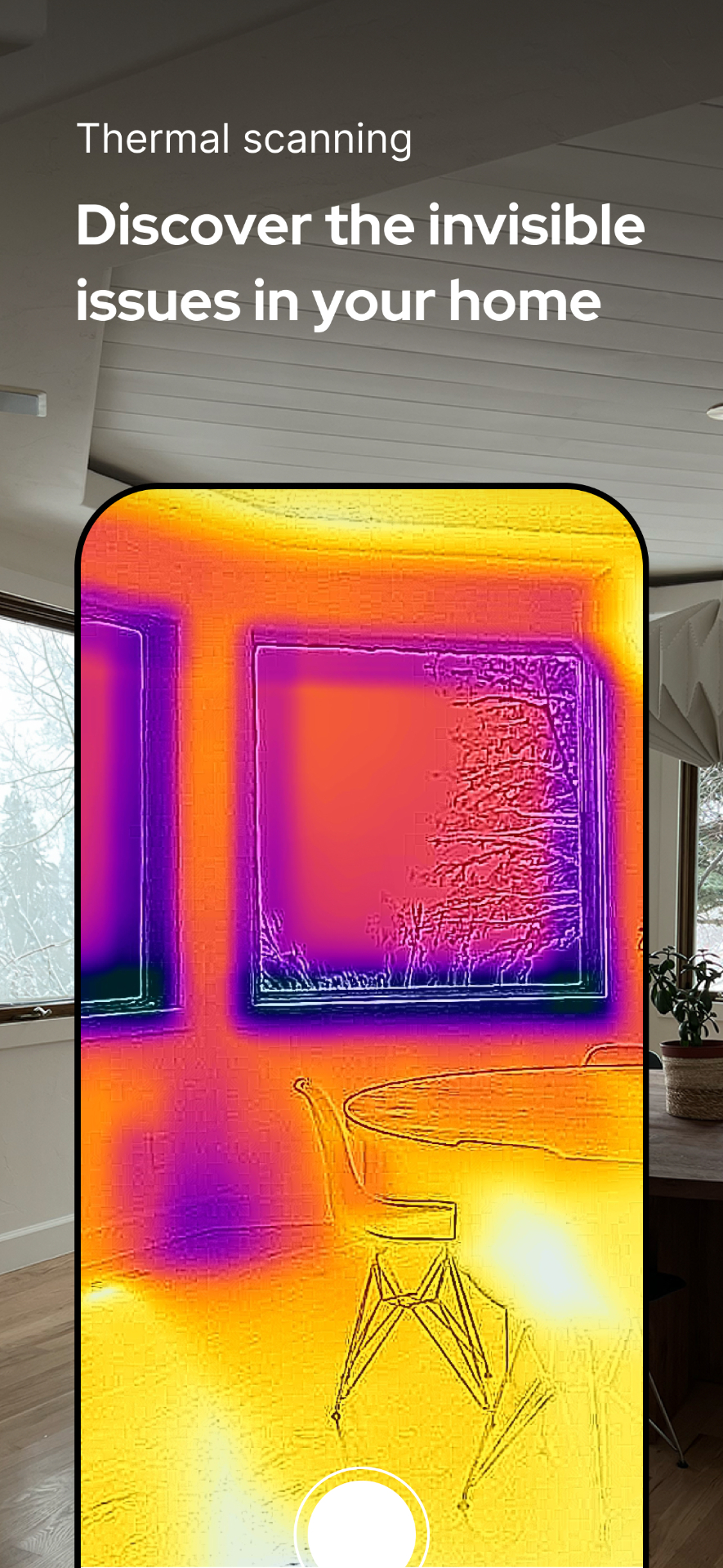
Most homeowners know they should get an energy audit. Far fewer know what one actually turns up — or, more importantly, which findings to act on first. The biggest dollar-saver isn't always the smartest first move, and tackling fixes out of order can mean paying twice for the same result. This post is the decision layer that sits between "should I get an assessment" and "which upgrades save the most": what audits commonly find, how to rank fixes by payback, and the sequence that protects your spend.
The short version: rank your fixes by Savings-to-Investment Ratio (SIR) rather than raw dollar savings, then do them in this order — air seal, insulate, ducts, equipment. The rest of this post explains why that order saves you money.
What Audits Routinely Find (Including the Surprises)
A professional audit — which averages $437 and takes 2–4 hours — uses tools like a blower door and infrared camera to surface problems you can't see from the thermostat. Some findings are predictable. Many are not.
The usual suspects are air leakage, under-insulated attics, and inefficient lighting or appliances. If you've already read why your energy bill is so high, you'll recognize most of these as the measurable, physical sources behind those line items.
The surprises are where audits earn their keep:
- Attic bypasses — hidden gaps around chimneys, plumbing stacks, and recessed lights that leak conditioned air straight into the attic.
- Uninsulated knee walls — the short walls behind finished attic and bonus rooms, often missed entirely during construction.
- Oversized HVAC equipment — systems that short-cycle, waste energy, and fail to dehumidify properly because they're too big for the home.
- Duct losses — leaky or uninsulated ducts in unconditioned spaces that quietly bleed off heating and cooling you've already paid for.
There's a pattern worth noticing here: each of these surprises maps onto a specific step in the fix sequence later in this post — bypasses to air sealing, knee walls to insulation, ducts to duct work, oversized HVAC to right-sizing. That's the whole point. What an audit finds is only half the value; the other half is the order you address it in.
You don't necessarily need a $437 professional visit to start. HomeBoost's $99 DIY Home Energy Audit Kit surfaces the most common issues yourself before you commit to a full assessment; our DIY home energy audit guide walks through the method.
Why Raw Savings Is the Wrong Way to Rank Fixes
The instinct is to sort fixes by annual dollar savings and start at the top. The problem: a fix that saves a lot but costs a fortune can have a worse payback than a cheap fix that saves modestly.
That's why energy professionals use Savings-to-Investment Ratio (SIR) — the lifetime savings of a measure divided by its installed cost. An SIR above 1.0 means the fix pays for itself within its useful life; the higher the number, the faster and stronger the return. For a full breakdown of what specific upgrades save annually, with payback periods by home type and climate, see our Home Energy Audit Savings Guide.
Here's the same logic in numbers. Say an audit flags two fixes — basic air sealing and full window replacement:
| Fix | Installed cost | SIR |
|---|---|---|
| Air sealing | $350 | ~5.1 |
| Window replacement | $8,000 | ~0.6 |
In plain terms: the air sealing returns about five times what it costs, while the windows don't even pay for themselves through energy savings — despite saving slightly more per year. (Numbers are illustrative; your actual figures depend on climate, energy rates, and the condition of your home.) That's exactly why windows are usually replaced for comfort, noise, or curb appeal rather than payback — and why a cheap air-sealing job almost always earns the first dollar.
Ranking by SIR reframes the conventional "biggest savers" list. Our home efficiency upgrades that save the most post ranks fixes by raw impact — useful, but it answers a different question. SIR answers the one that matters when money is finite: given my budget, what should I do first?
Two quick rules of thumb when you're prioritizing:
- High SIR, low cost = do it now. These are your no-brainers.
- High raw savings, low SIR = legitimate, but not your first move. Bank the quick wins first, then fund the bigger projects.
Sequence Matters: The Order of Operations
Even with a ranked list, order determines whether you get full value. The classic mistake is blowing in attic insulation before sealing the leaks underneath it — you end up insulating over air gaps that keep leaking, and you'll likely disturb the new insulation when you finally seal them.
A sane sequence for most homes is air seal, then insulate, then ducts, then equipment — in that order:
- Air seal first. Close bypasses, gaps, and major leaks. This is usually cheap, high-SIR, and a prerequisite for everything above it.
- Insulate second. Once the envelope — your home's outer shell of walls, attic, and floors — is tight, insulation (attic, knee walls) performs as designed instead of leaking around.
- Address ducts. Seal and insulate ducts in unconditioned spaces so your equipment delivers what it produces.
- Right-size and upgrade equipment last. Once the home loses less energy, you may need less heating and cooling capacity — sizing new equipment before tightening the envelope risks buying oversized gear all over again.
Smaller tactical fixes can slot in anytime. Drafty windows, for example, are often better handled with targeted sealing than full replacement — our guide on how to fix drafty windows walks through the practical options.
The takeaway: even a high-SIR insulation project underperforms if you skip the air sealing that should come first. Sequence protects the return on everything downstream.
Turning Findings Into a Funded Plan
A ranked, sequenced list is only useful if you can pay for it. Helpfully, the fixes that score well on SIR — air sealing, insulation, duct work, efficient equipment — are frequently the ones utilities and government programs subsidize. A rebate effectively raises a project's SIR by lowering your out-of-pocket cost, turning a borderline payback into an easy yes.
Map your audit findings to programs in our home energy rebates 2026 overview, then use HomeBoost's rebate matching to connect specific fixes to the rebates you actually qualify for — so funding follows your priority order instead of fighting it.
Frequently Asked Questions
What is SIR (Savings-to-Investment Ratio) and why does it matter?
SIR is a fix's lifetime energy savings divided by its installed cost. An SIR above 1.0 means the measure pays for itself within its useful life. It matters because ranking fixes by SIR — rather than by raw dollar savings — tells you which projects deliver the best return per dollar, so you spend your budget where it works hardest. A cheap air-sealing job can post an SIR of 5 or higher, while a costly window replacement can land below 1.0 even though it saves more per year.
Should I air seal or add insulation first?
Air seal first. Insulation only performs as designed once the envelope is tight; adding insulation over unsealed gaps lets air keep leaking around it and often means disturbing the new insulation later to seal underneath. Sealing first is usually cheaper, higher-SIR, and a prerequisite for the steps that follow.
Do I need a professional audit, or can I start with a DIY kit?
A professional audit averages $437 and takes 2–4 hours, and it uses specialized tools to diagnose harder-to-find issues. For many homeowners, HomeBoost's $99 DIY Home Energy Audit Kit is a lower-cost way to identify the most common problems first — then decide whether a full professional assessment is worth it. Our DIY home energy audit guide walks through the process.
Why isn't the biggest energy-saver always the best first fix?
Because a fix that saves a lot can still have a poor payback if it costs a lot to install. A cheaper, higher-SIR measure like air sealing returns value faster and frees up budget — so bank the quick wins first, then fund larger projects like window or equipment replacement.
Can rebates change which fixes I should prioritize?
Yes. Rebates lower your out-of-pocket cost, which effectively raises a project's SIR. A fix that was borderline on payback can become an obvious choice once a rebate is applied. Use HomeBoost's rebate matching to align available funding with your priority order.
Start With What Your Home Actually Needs
The smartest energy plan isn't a generic top-10 list — it's your home's findings, ranked by payback and tackled in the right order. And you don't need to spend $437 to begin: HomeBoost's $99 DIY Home Energy Audit Kit helps you surface the common issues yourself, and HomeBoost's rebate matching connects each fix to the rebates you qualify for.
Find what your home needs, fix it in the right order, and let rebates do the heavy lifting.